Using the opera Martha by Friedrich von Flotow as an example, I would like to explain here how a stage set comes into being.
It was staged by the Volksoper Zürich. The idea behind this newly founded music theatre is to bring romantic operas, witty comic operas and lively operettas to the stage in their original character.
The wish for a matching stage set followed from this.
On the one hand, of course, it had to suit the piece; on the other hand, it had to suit different venues and stages: easy to transport and quick to put up and take down.
So it was clear from the start that the set for “Martha” would consist only of flexible backdrops, at most complemented by side wings.
That means creating depth by painterly means alone, as only a two-dimensional surface is available.
After first talks with members of the board, I set to work on the first designs, trying to bring together the ideas of the Volksoper, my own ideas and, of course, the requirements of the piece. These designs were then worked out in every detail together with the director, and so the final designs to scale came about, which I could then turn into the stage set.
The painting surface was chosen together with those responsible for the stage technology, an important point for me, since the scenes also had to be changed quickly during the performance.
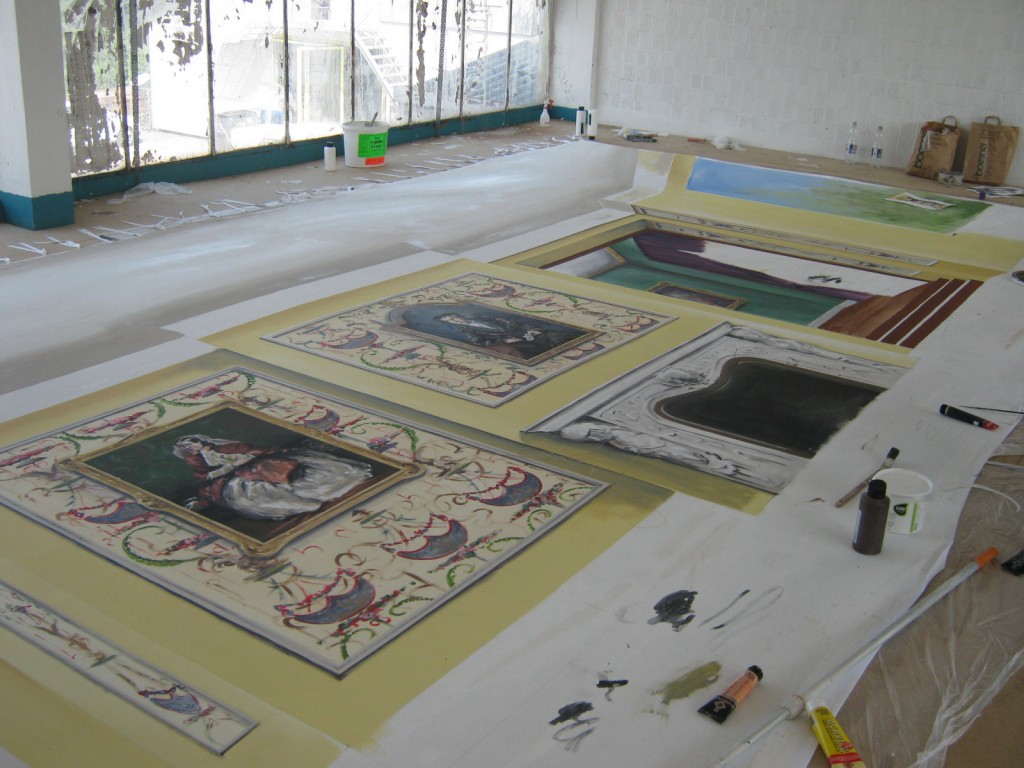
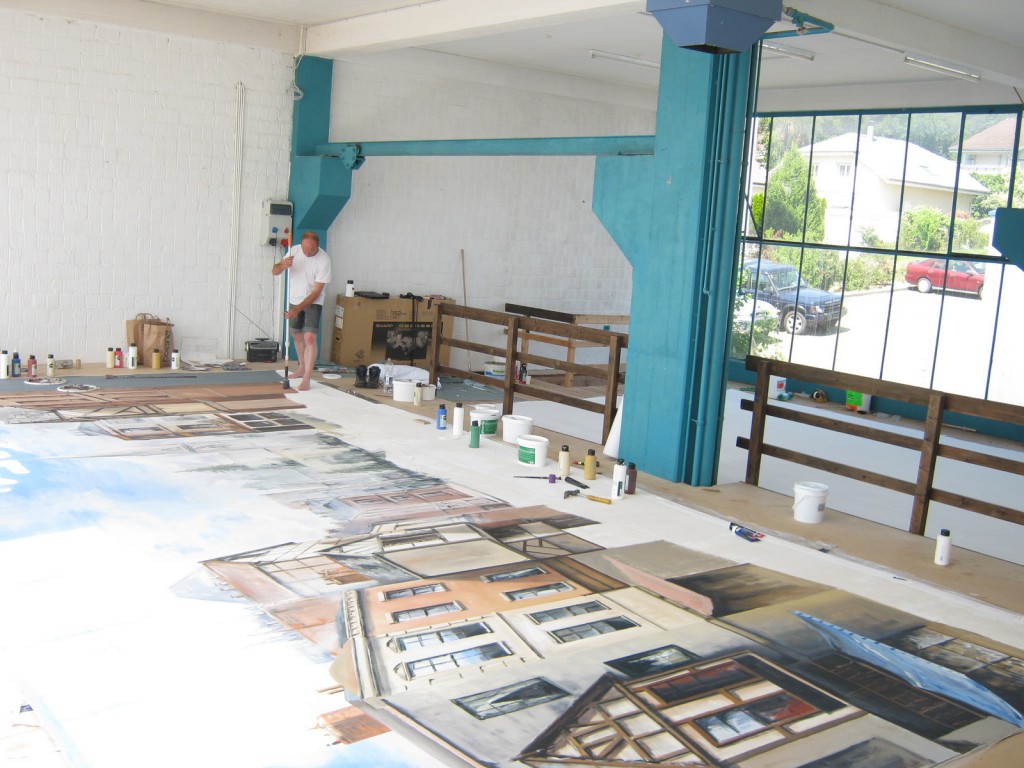
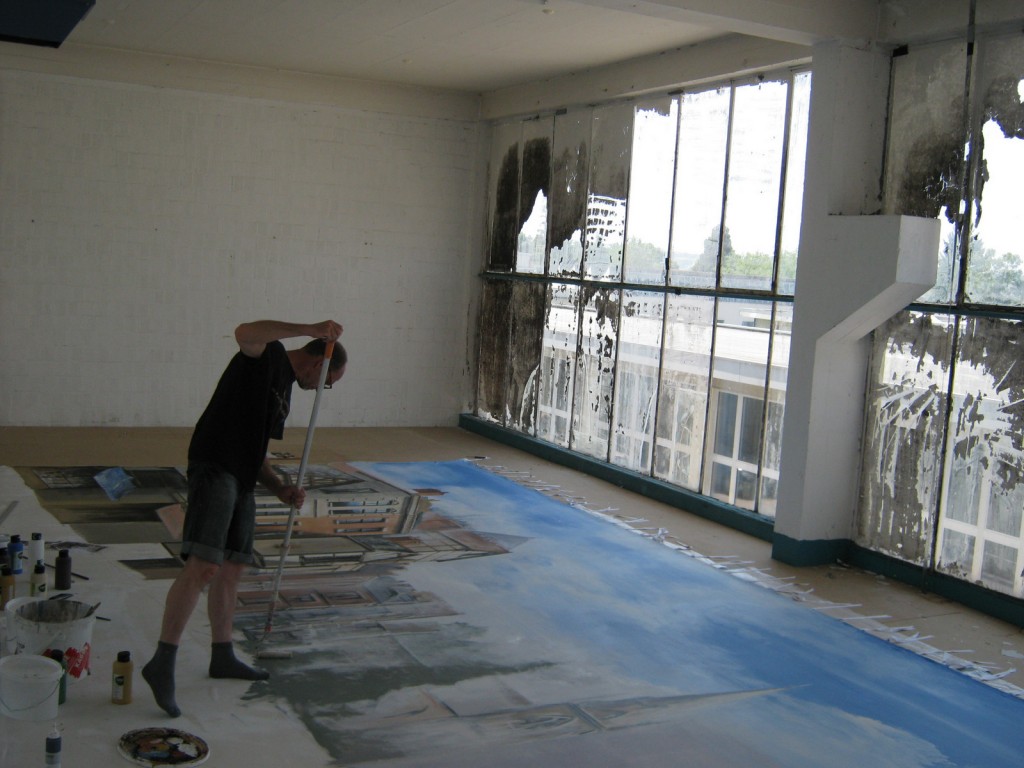
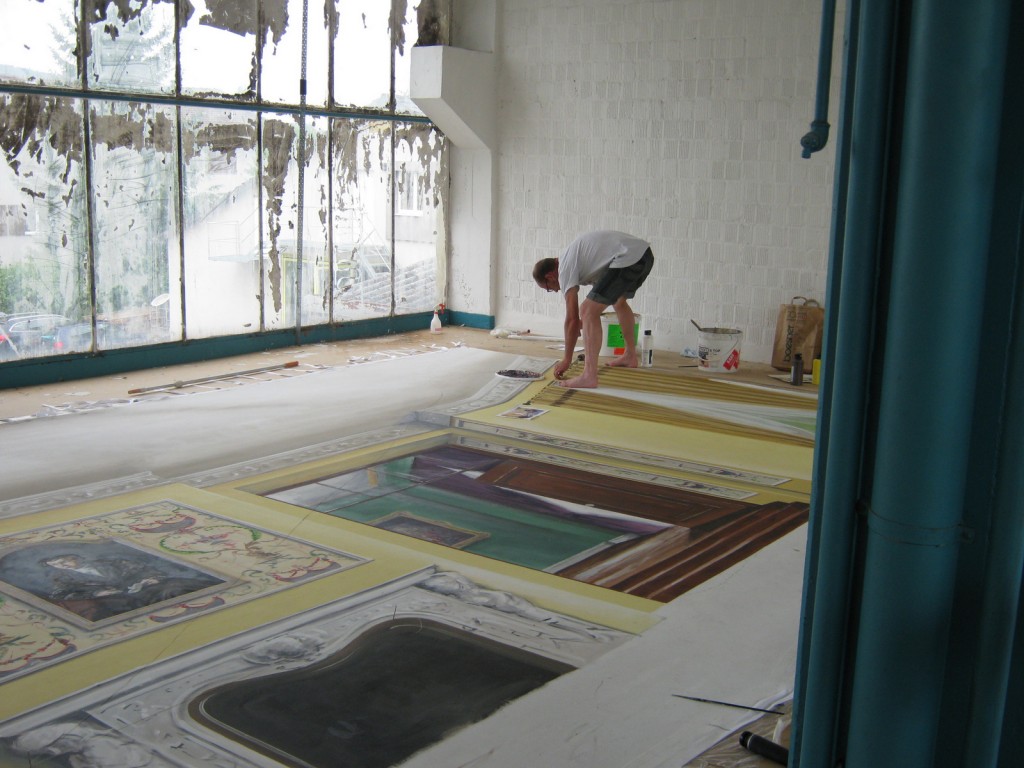
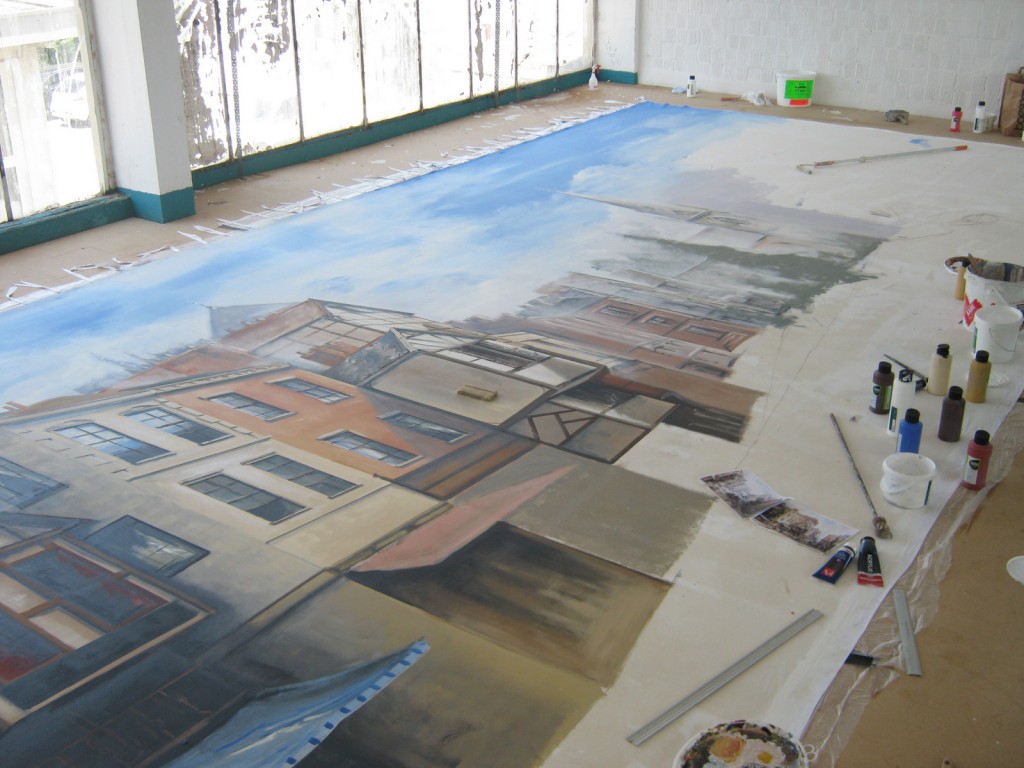
The choice fell on light canvas, each piece 9 x 4.50 m in one length.
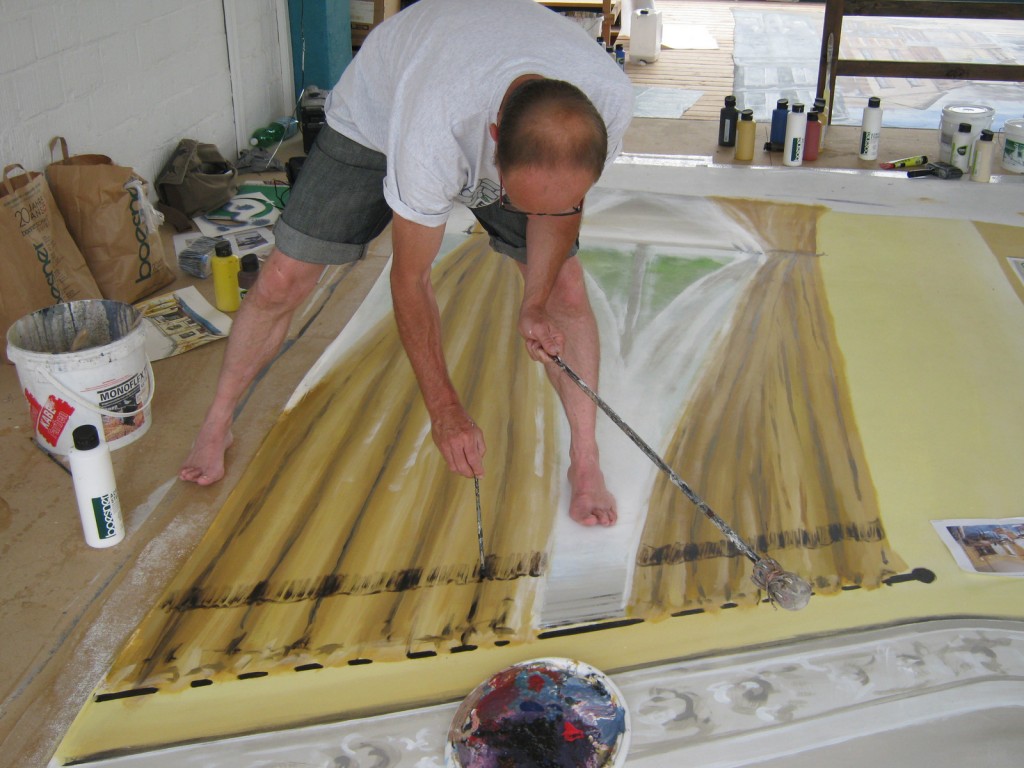
Stretched out flat on the wooden floor, impregnated and primed, it gave me an ideal painting surface which, rolled up afterwards,
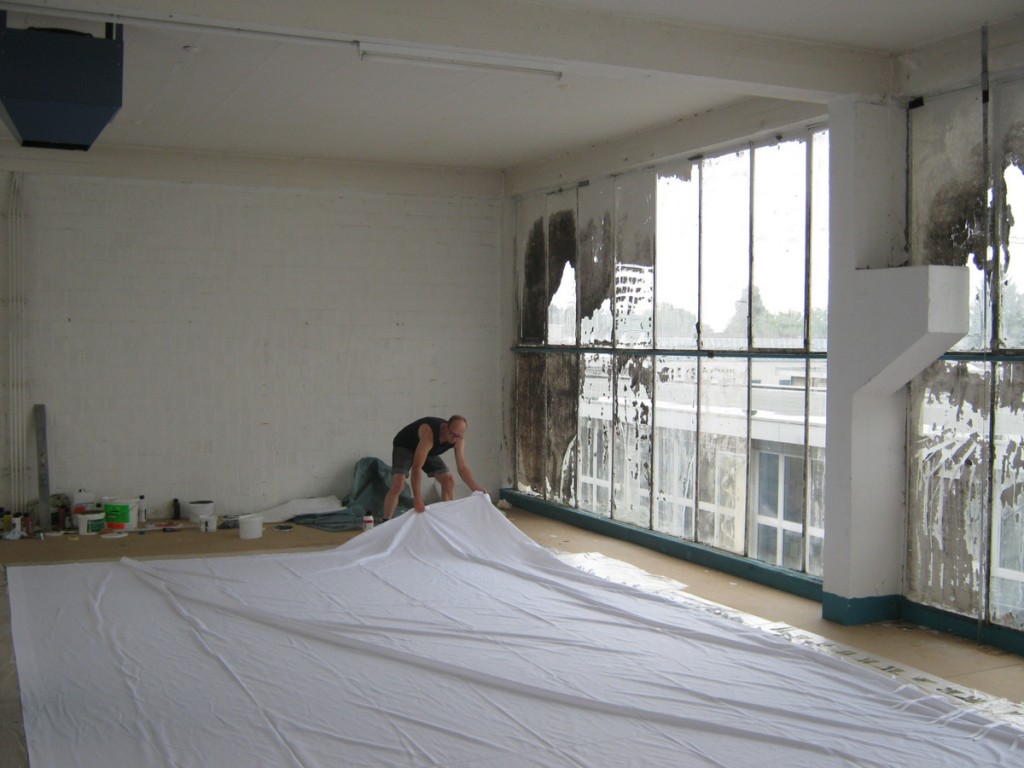
can easily be carried by a single person.
The scenes one by one:
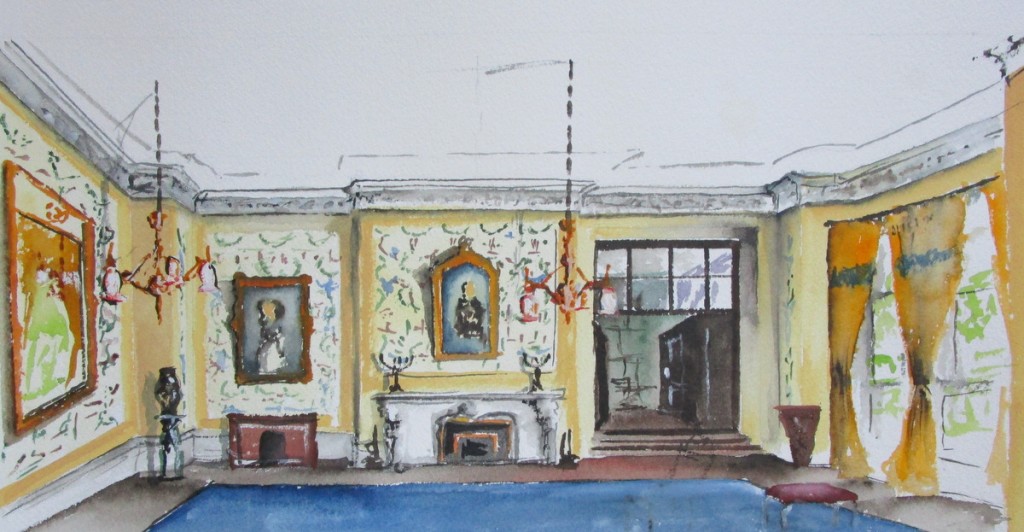
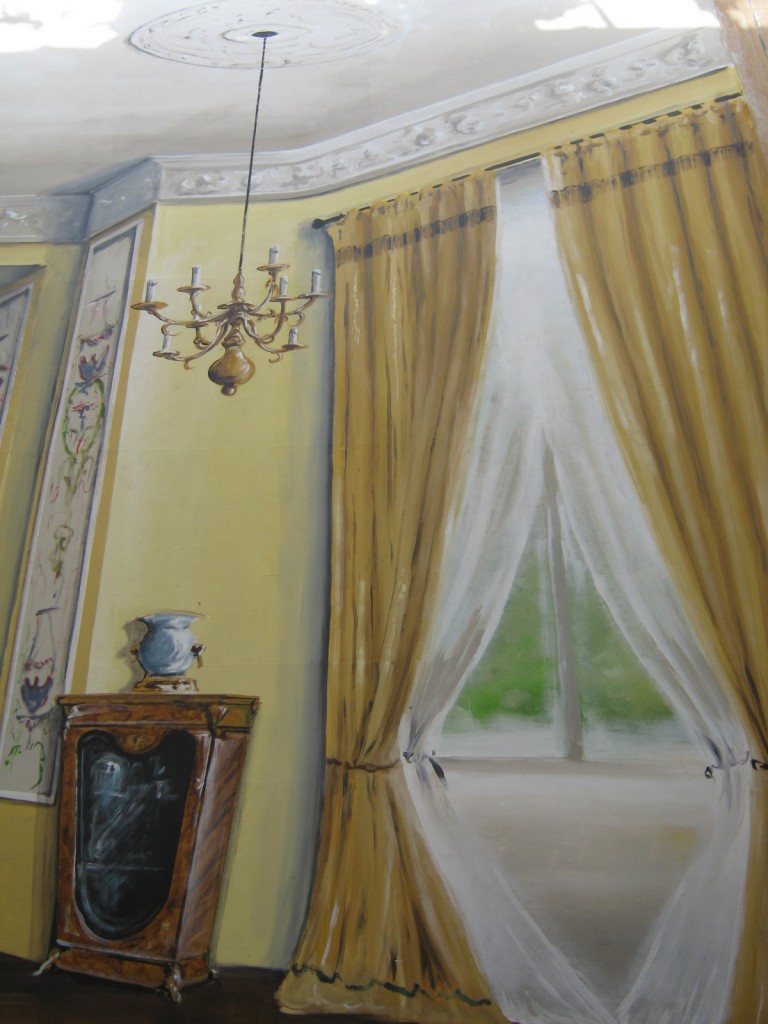
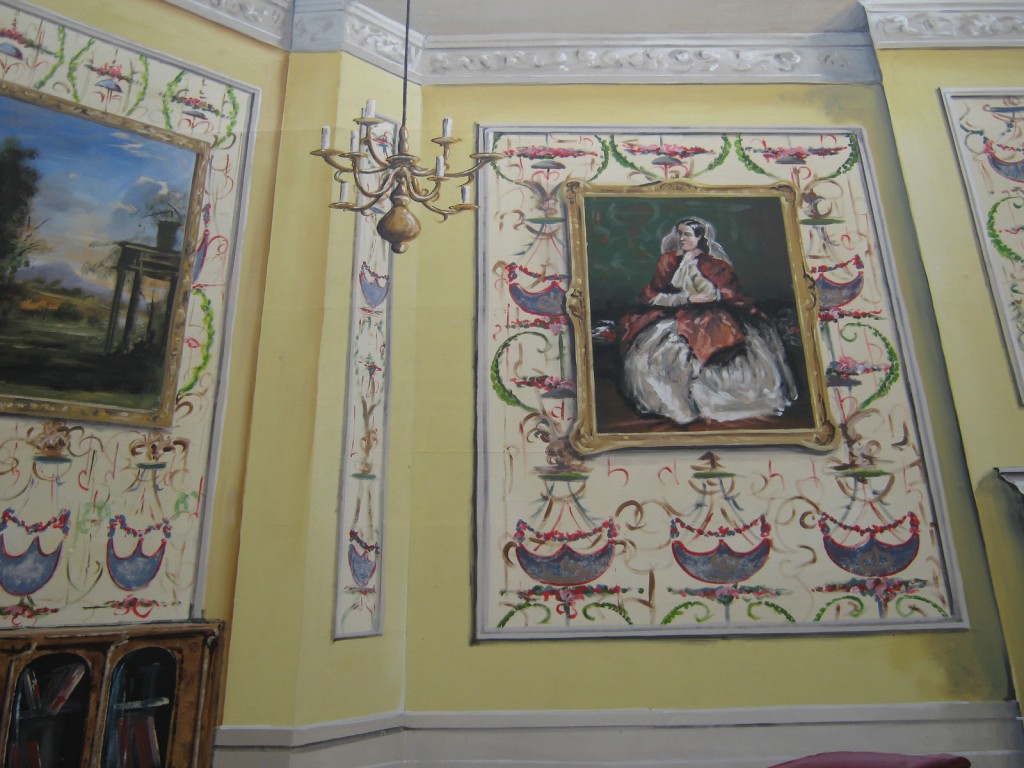
Act 1 – In Lady Harriet’s boudoir: the private rooms of a fine lady in the early 18th century. This scene was inspired by the drawing room of an English-style manor house in Ireland, which I happened to visit just when I was looking for ideas for the first design.
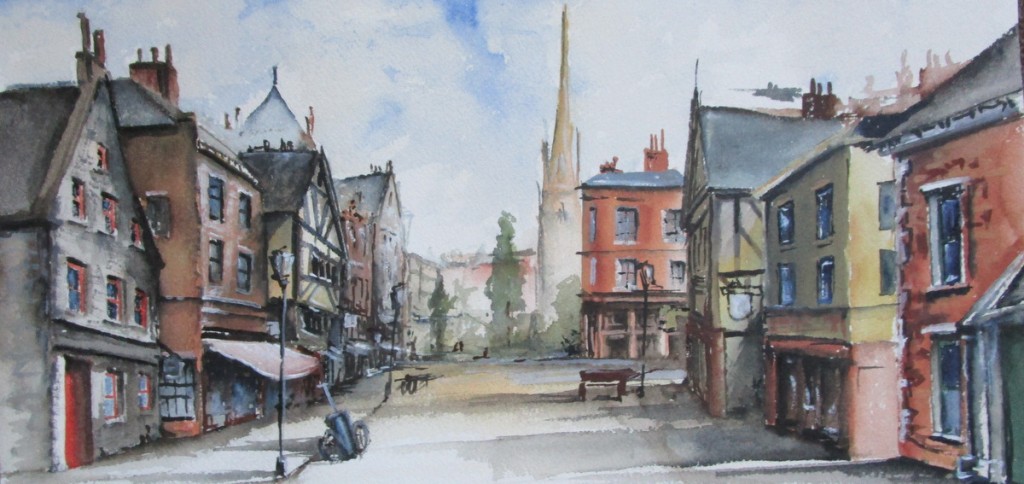
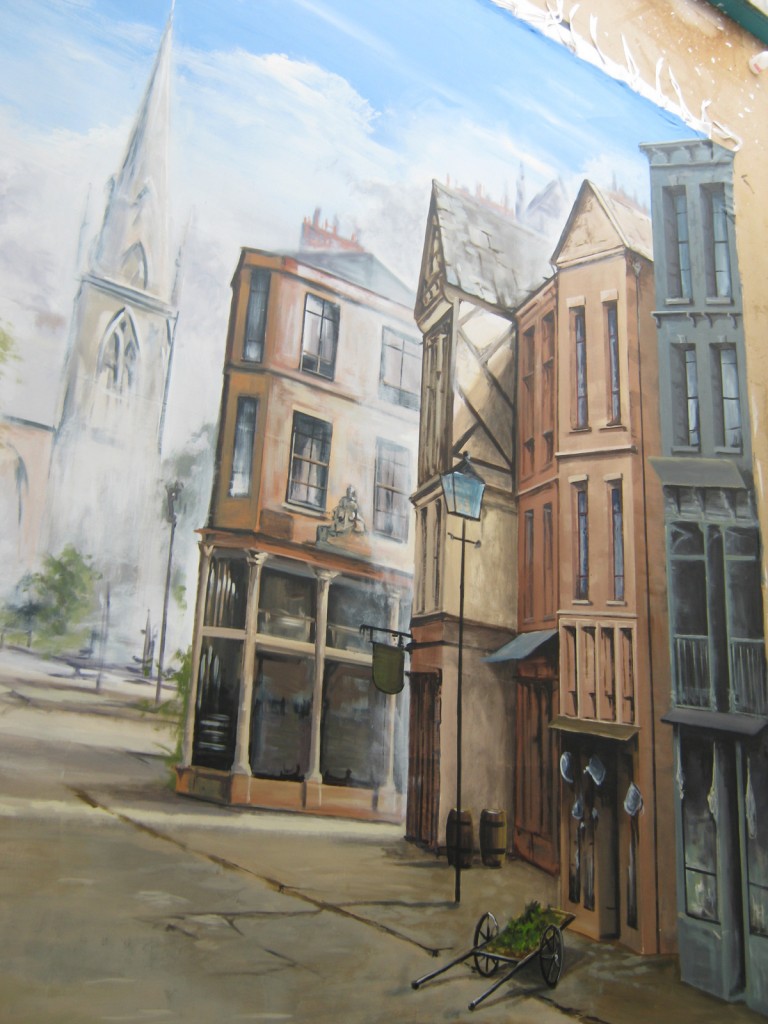
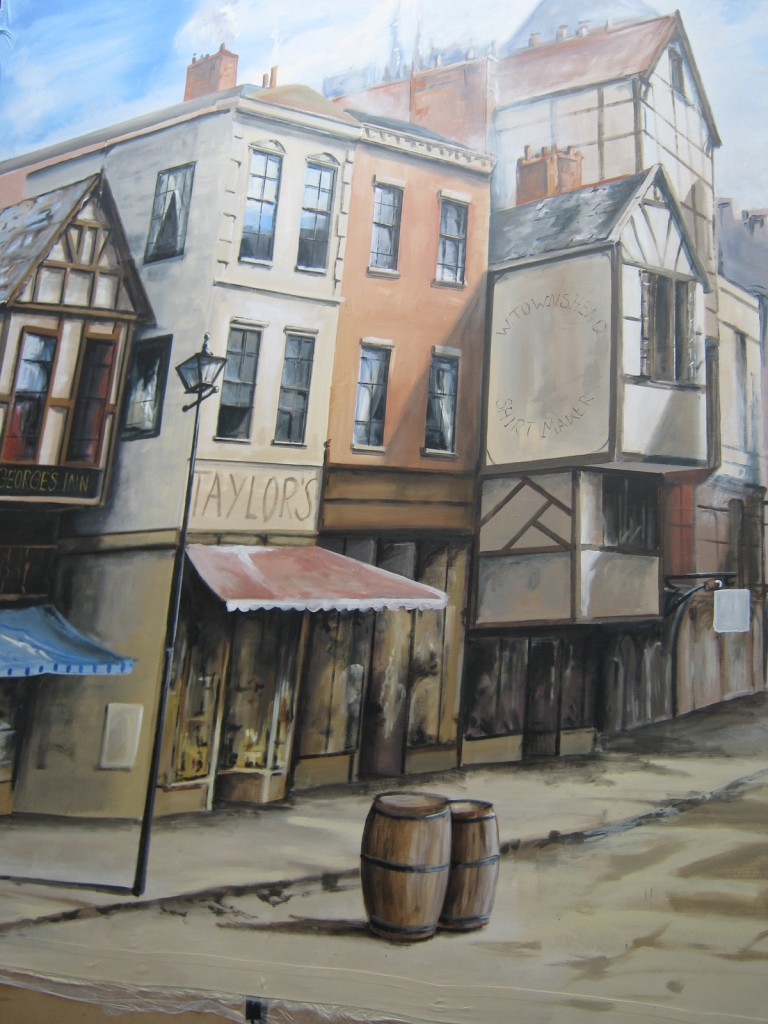
Act 1, scene 2 – The market square in Richmond: an English town in the early 18th century. I took inspiration from old drawings of English towns, but this scene also called for a fair amount of imagination.
Act 2 – In the Plumketts’ house: a landowner’s living room. In the design I had not considered that this scene takes place at night with the ladies locked in the room. But I was made aware of it early on, so that in the
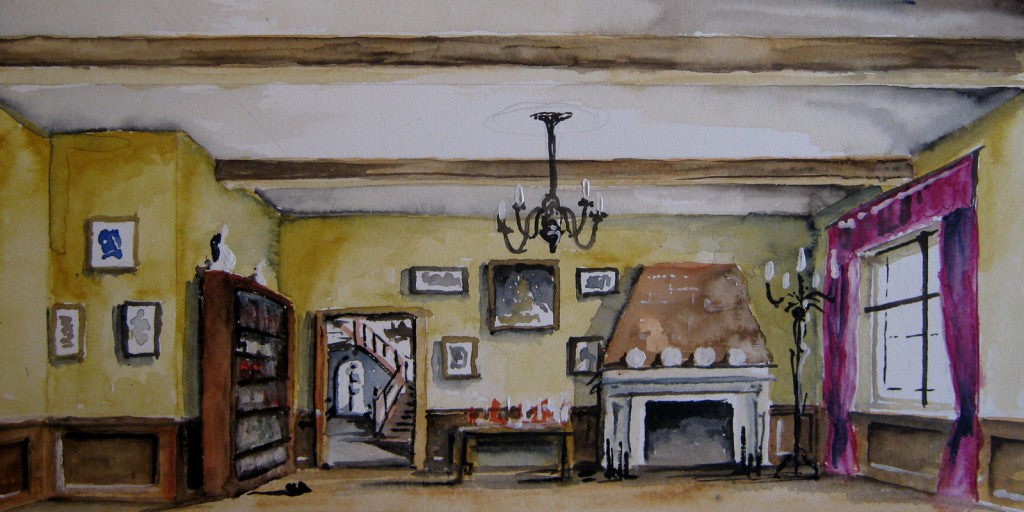
final painting I could put out the light and close the door.
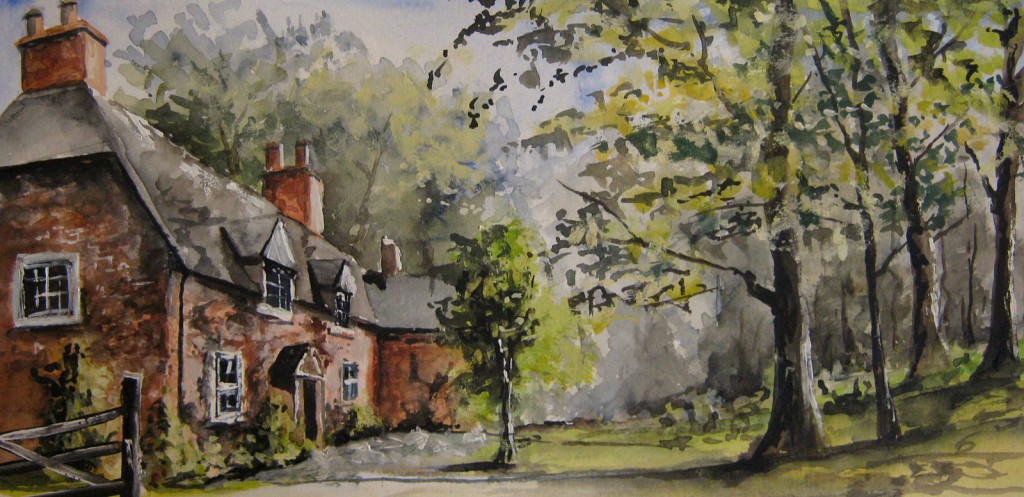
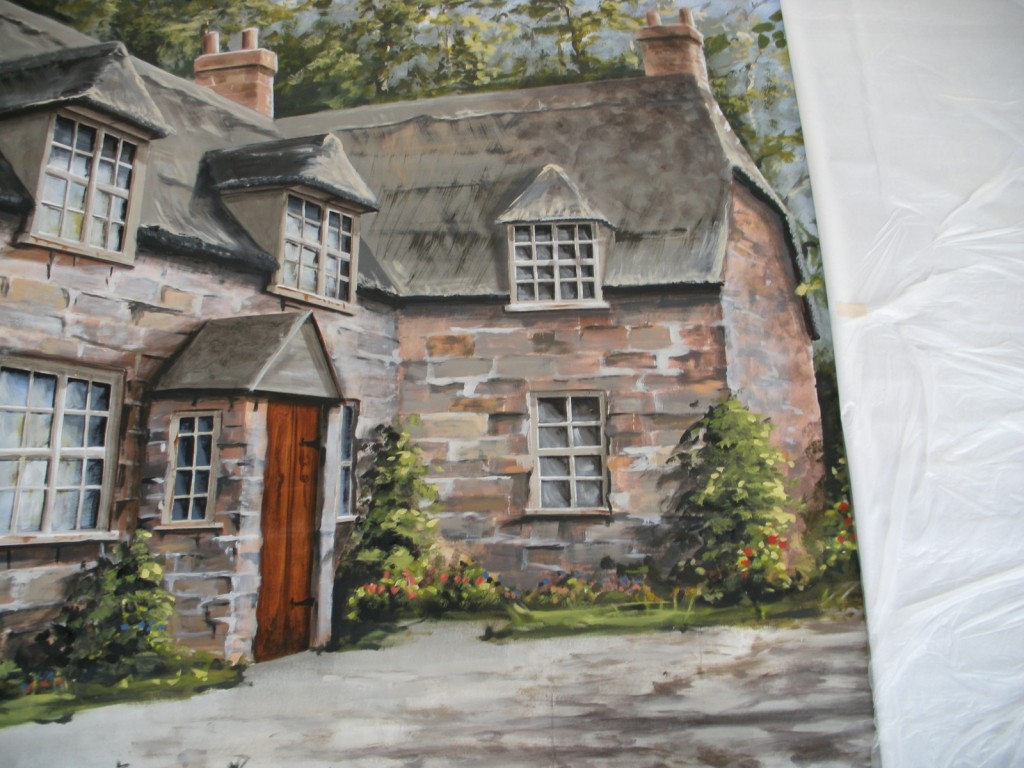
Acts 3 and 4 – Outside Plumkett’s house near the forest: the landowners’ house in front of a wood.

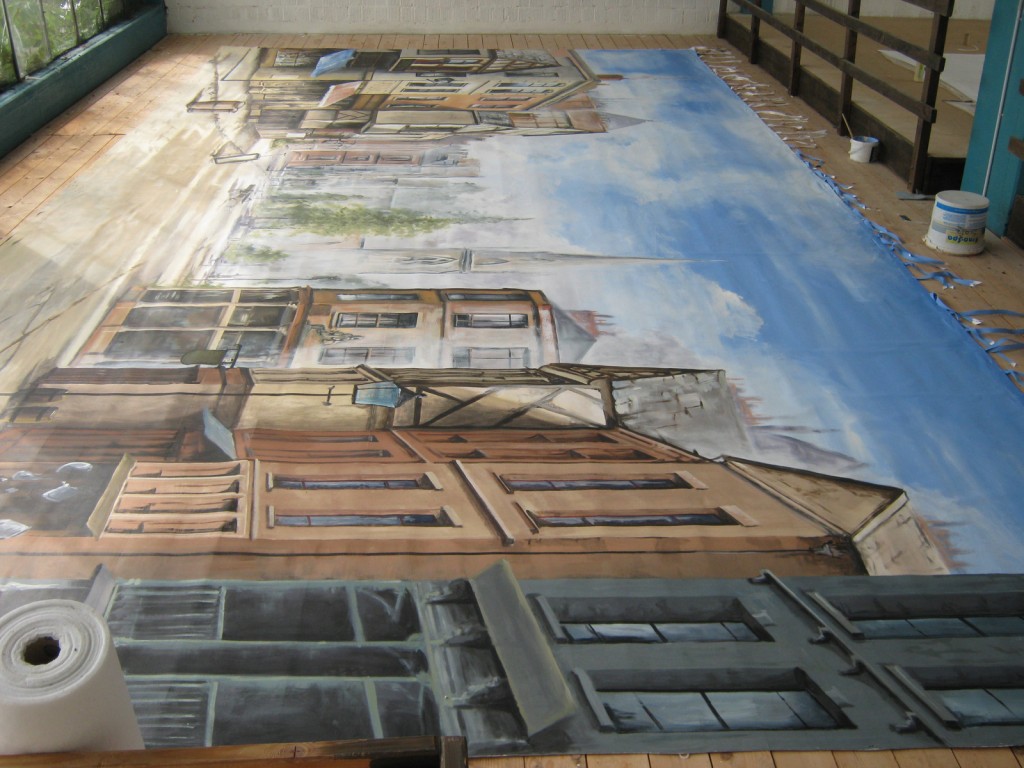
For this work I had technical support from Fabian Troxler and Stefan Friedli